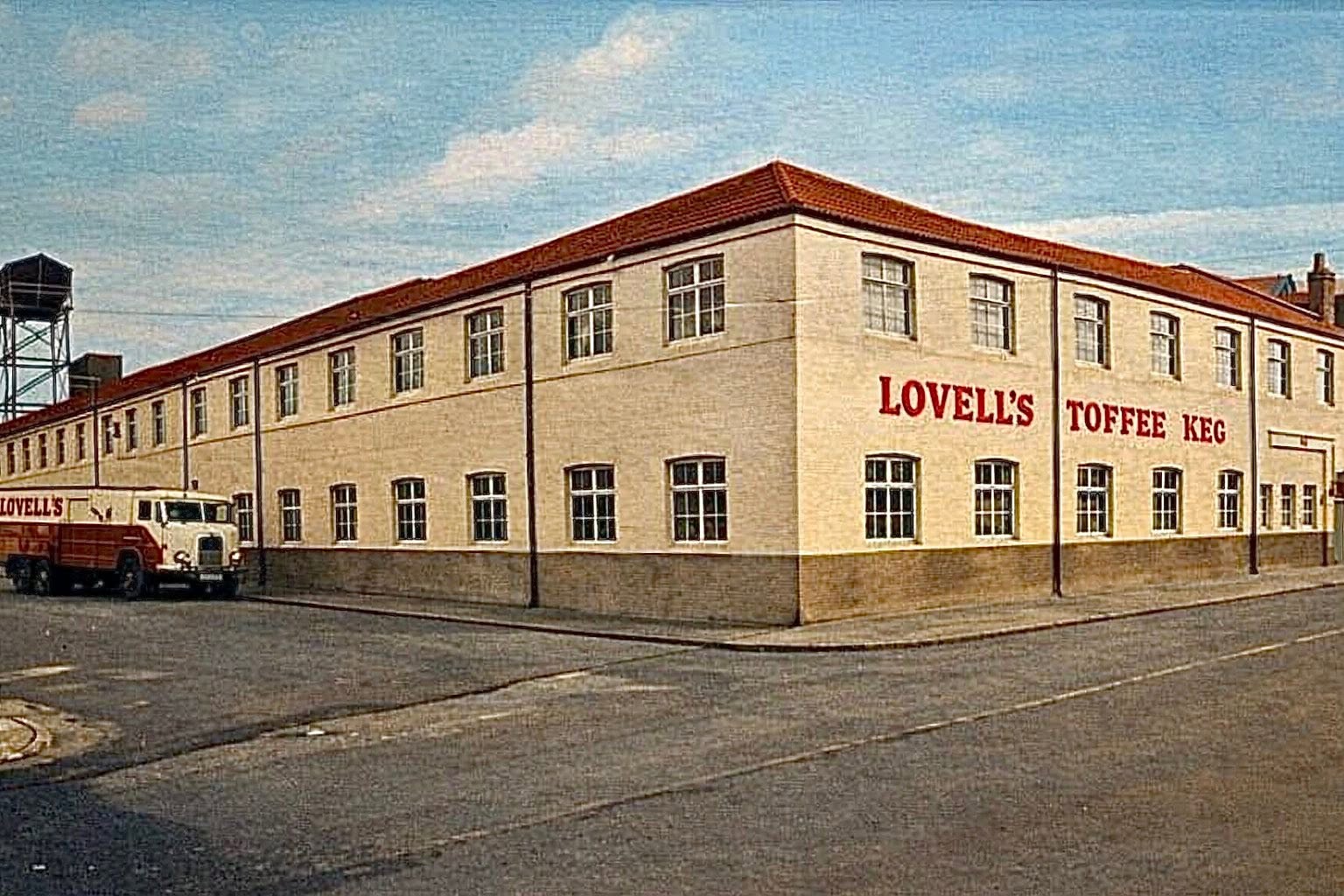
The Rise of the Sweet Works
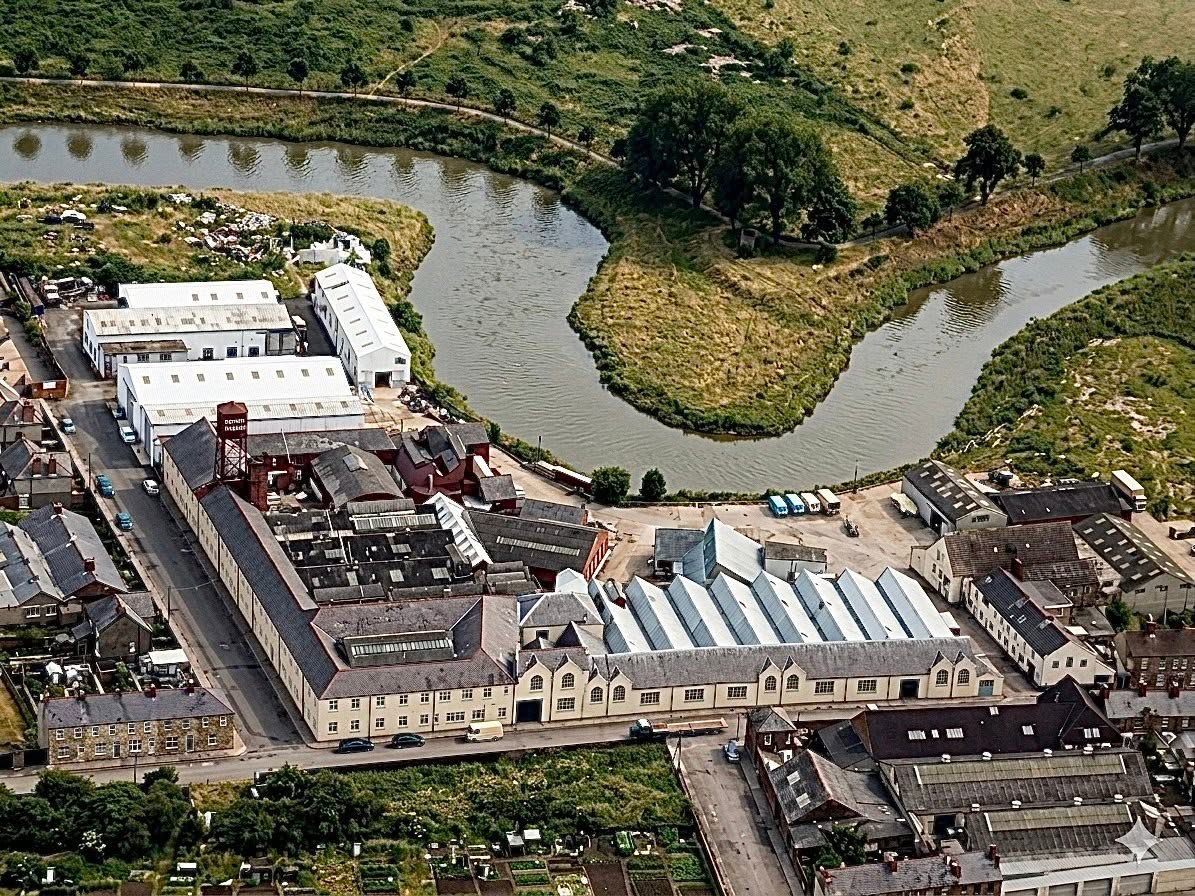
Where sixteenth-century manor meadows once fronted the tidal bends of the River Usk, the early decades of the twentieth century saw the emergence of one of South Wales’s most celebrated commercial manufacturers. Founded by George Frederick Lovell, who began trading as a small-scale confectioner in Newport during the 1880s, the enterprise rapidly outgrew its initial premises and acquired substantial parcels of land along Albany Street.
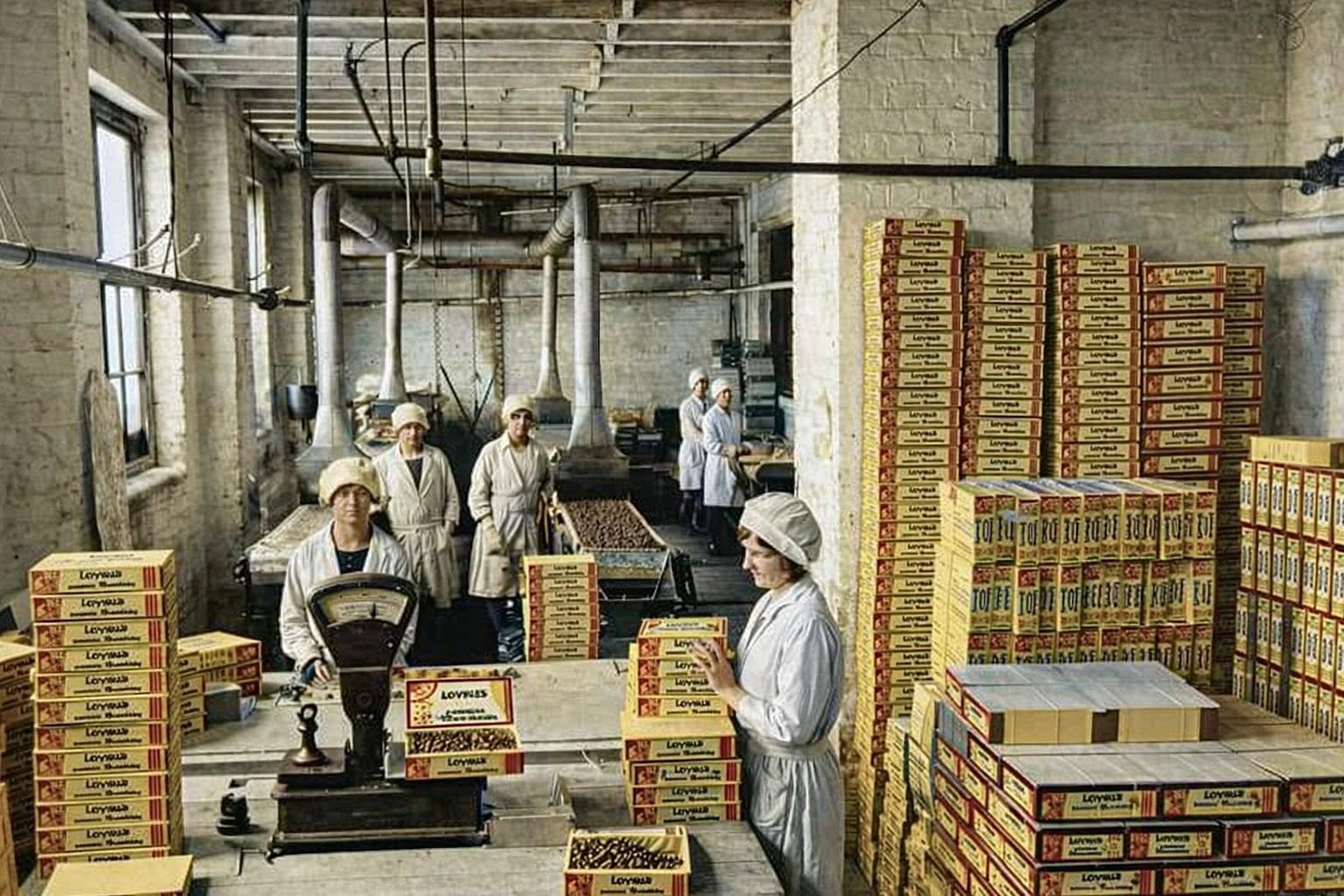
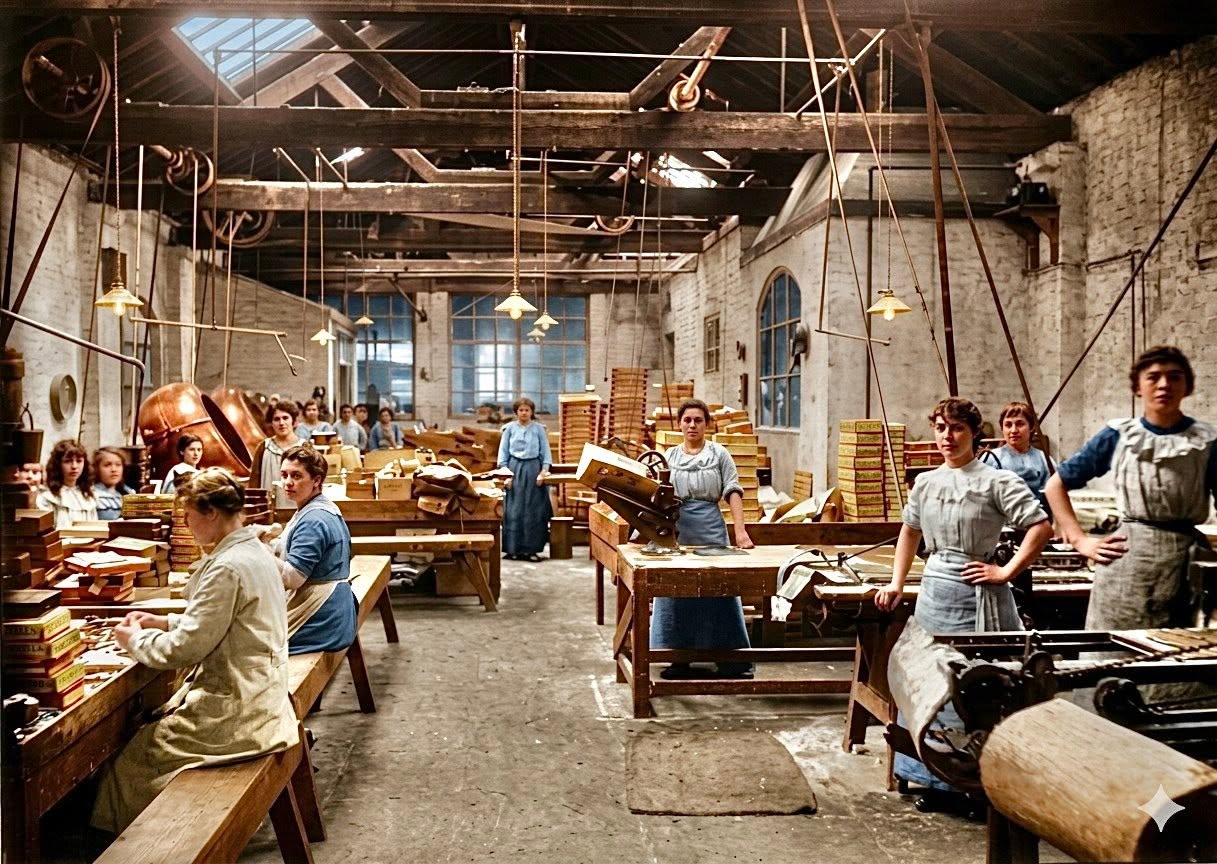
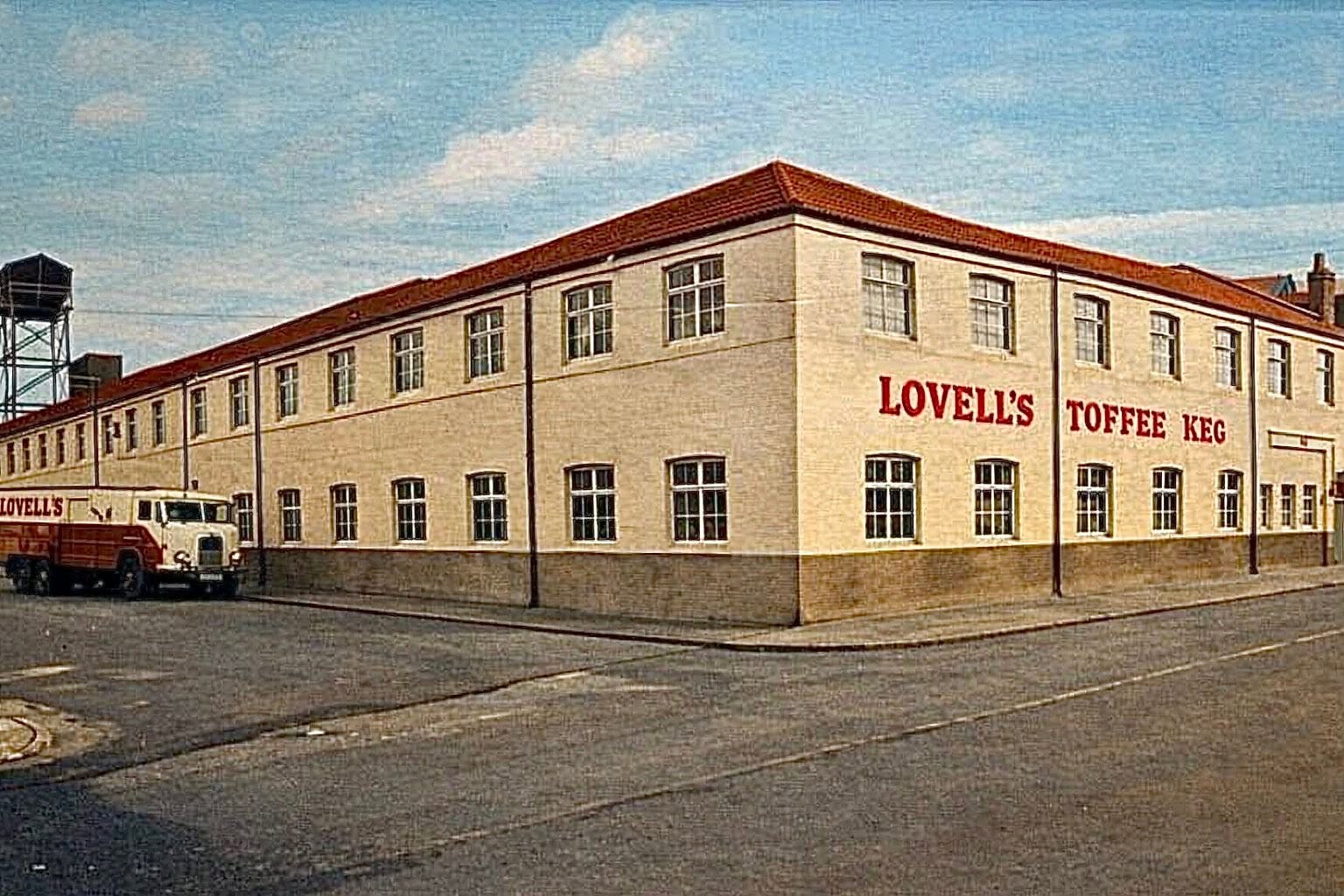
The resulting factory complex—christened the Rexville Works—was engineered specifically for industrial-scale sugar boiling, chocolate panning, and mechanical packaging. Benefiting directly from adjacent G.W.R. goods sidings, rail wagonloads of refined sugar and raw ingredients were delivered straight to the mixing floors, allowing daily production of boiled sweets, toffees, and fondants to reach nationwide distribution.
"At shift-change along Albany Street, the air hung heavy with boiled cane syrup, roasted cocoa, and steam from the vacuum boiling pans."
The Workforce: Women, Packers & Apprentices
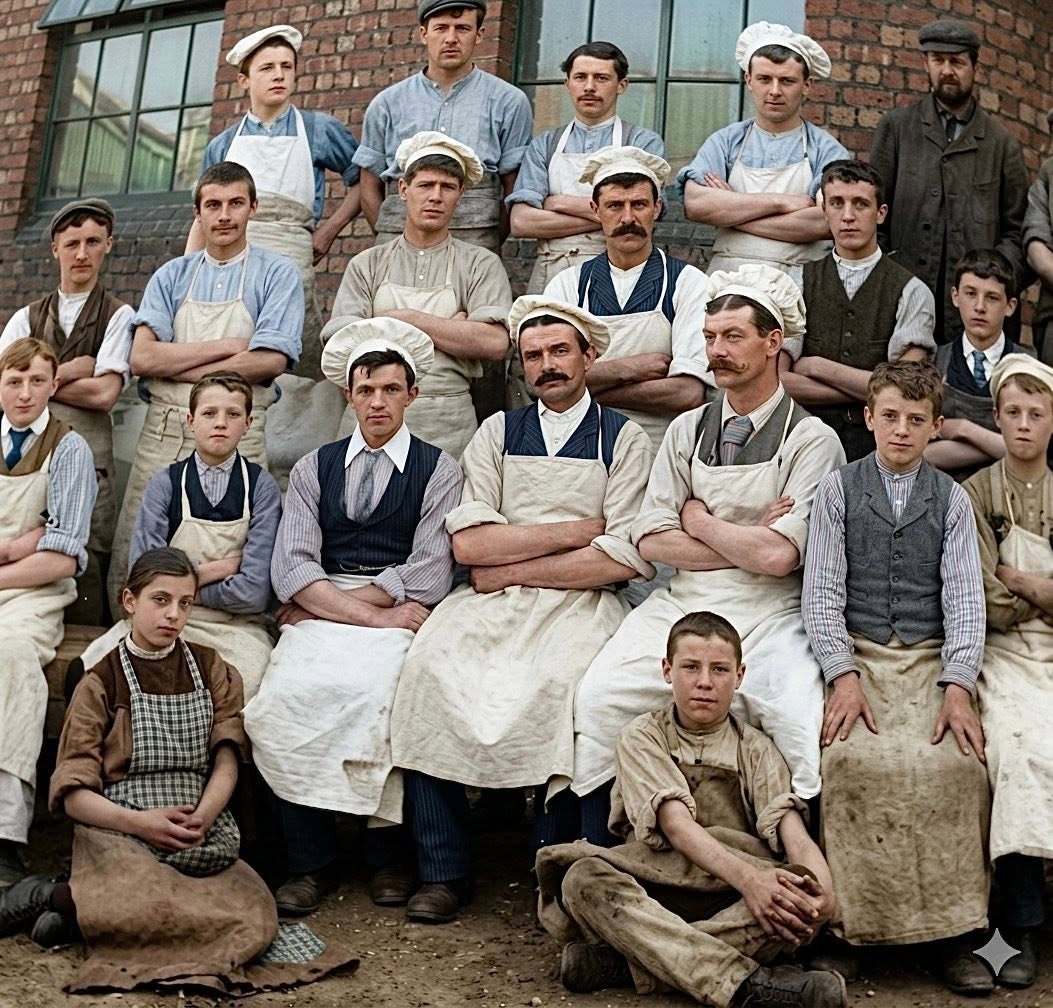
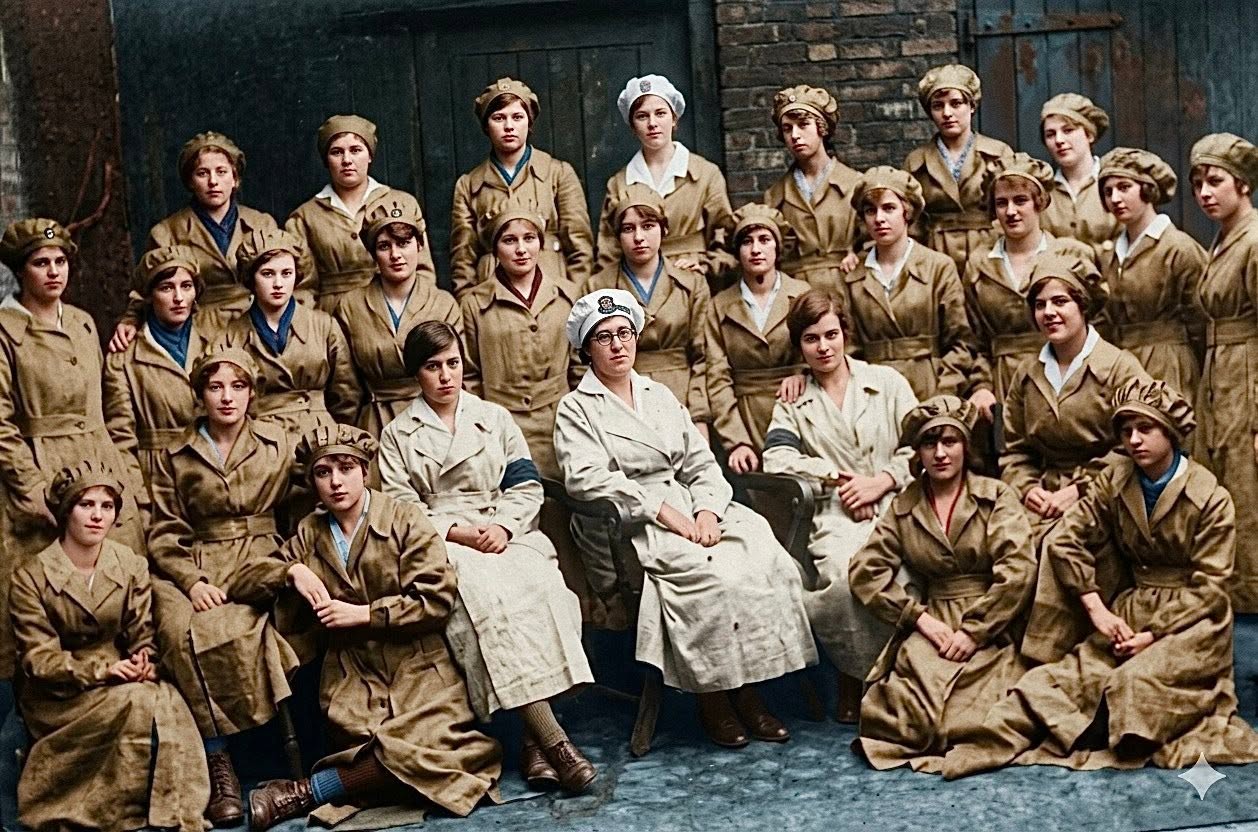
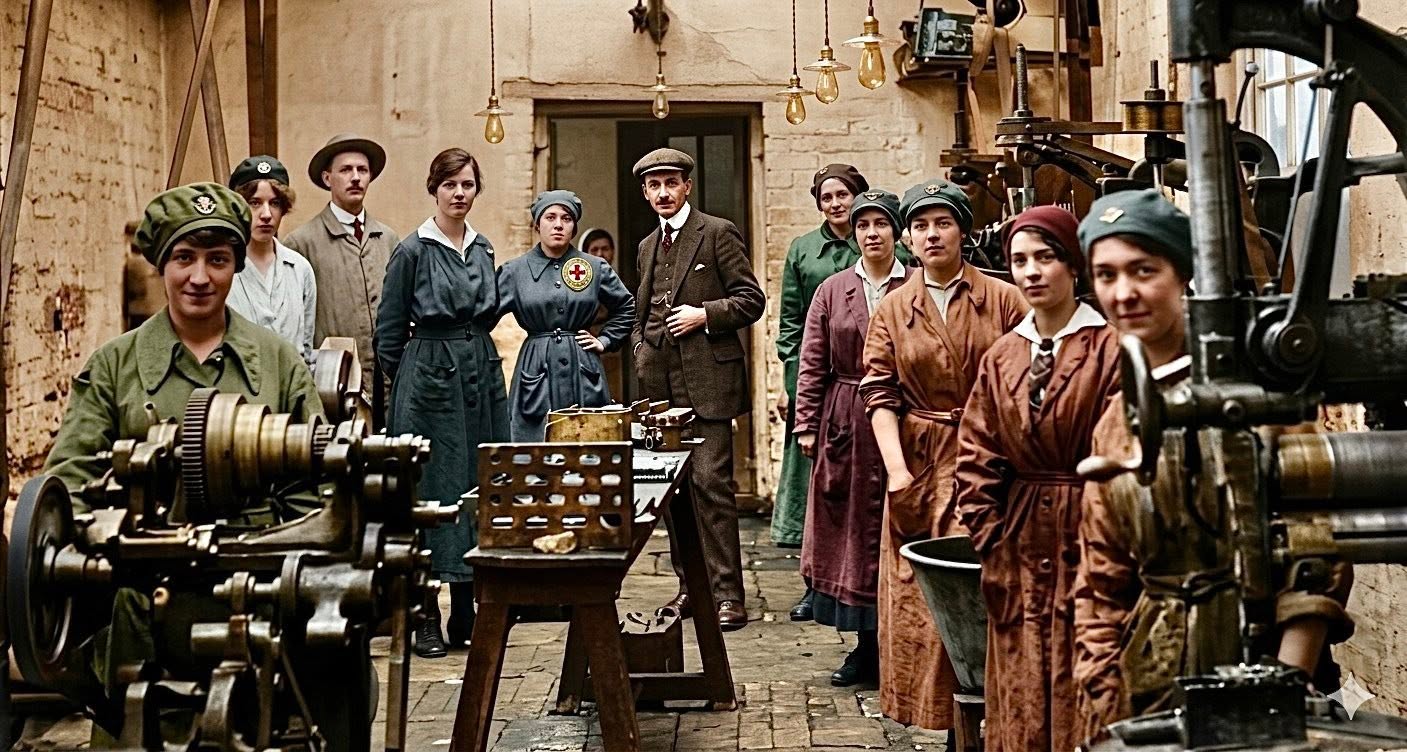
Unlike the neighbourhood’s gas retort houses and glass cone furnaces, which were heavily reliant on adult male physical labour, Lovell’s transformed the domestic economy of Crindau by becoming one of the area’s largest employers of young women and female packers.
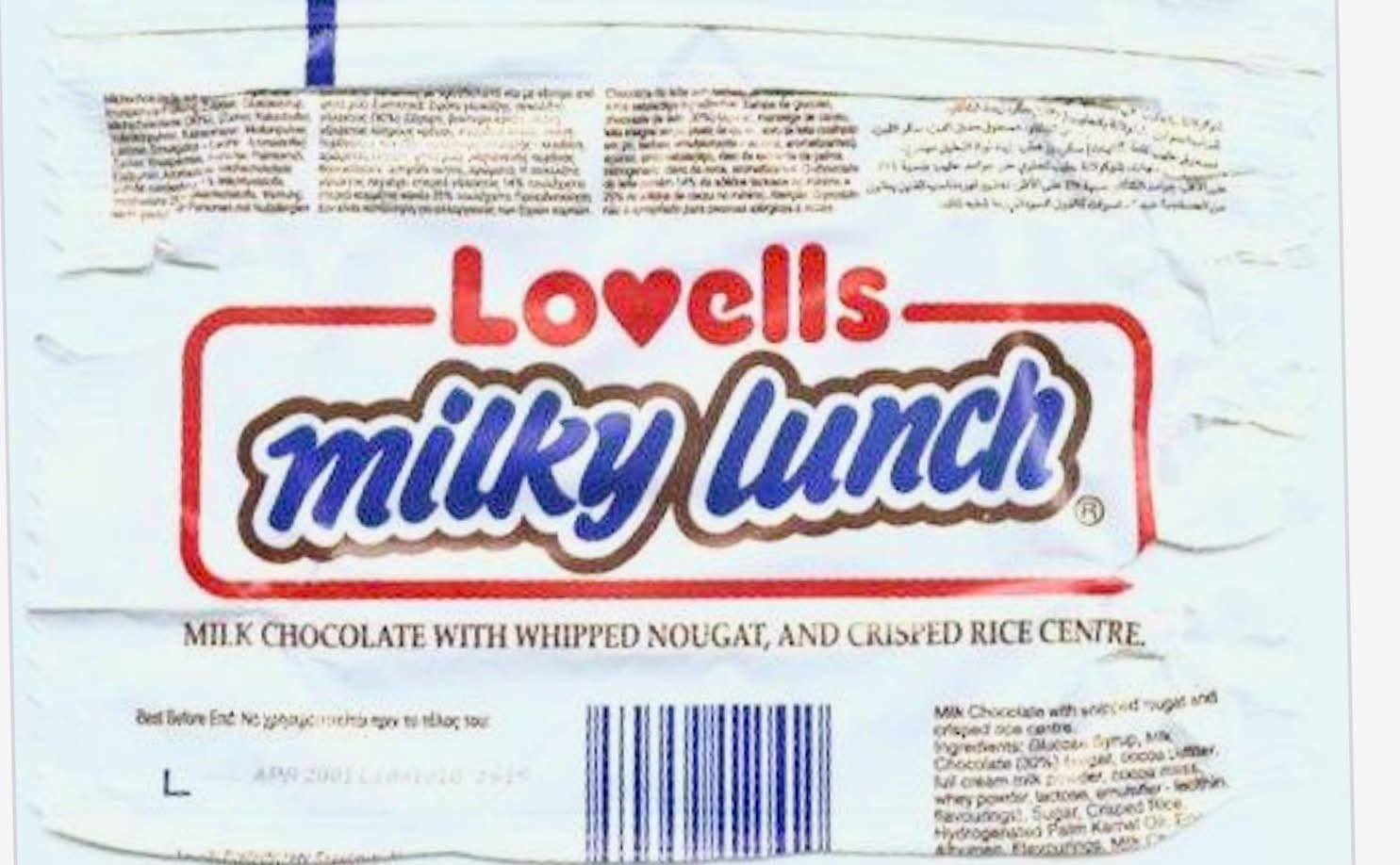
Surviving directories and electoral rolls for Albany Street, Lyne Street, and Cyril Street consistently record multiple generations from the same terrace houses employed across the firm’s departments: boiling assistants, sugar boilers, chocolate dippers, tin wrappers, and despatch clerks. During the rationing period and the interwar boom, the firm became a household name across Great Britain, celebrated for products such as Milky Lunch and tins of Rexville Toffees.
Rexville Ground & Lovells Athletic F.C.
The influence of G.F. Lovell & Co. extended far beyond factory hours. Reflecting the classic early-twentieth-century ethos of industrial paternalism, the company founded a comprehensive social club and built the Rexville Athletic Ground immediately adjoining the works.
The factory football team, Lovells Athletic F.C., evolved into a formidable power in non-league football. Competing in the Southern League and Welsh Cup ties against professional Football League opposition, matchdays saw crowds of several thousand packed onto the embankments directly within earshot of the factory chimneys.
Although manufacturing ceased in 2005 and the sprawling red-brick production halls were subsequently demolished for modern housing development, the memory of the sweet works remains woven into the oral history and topographical record of Crindau.
Documentary & Photographic Evidence
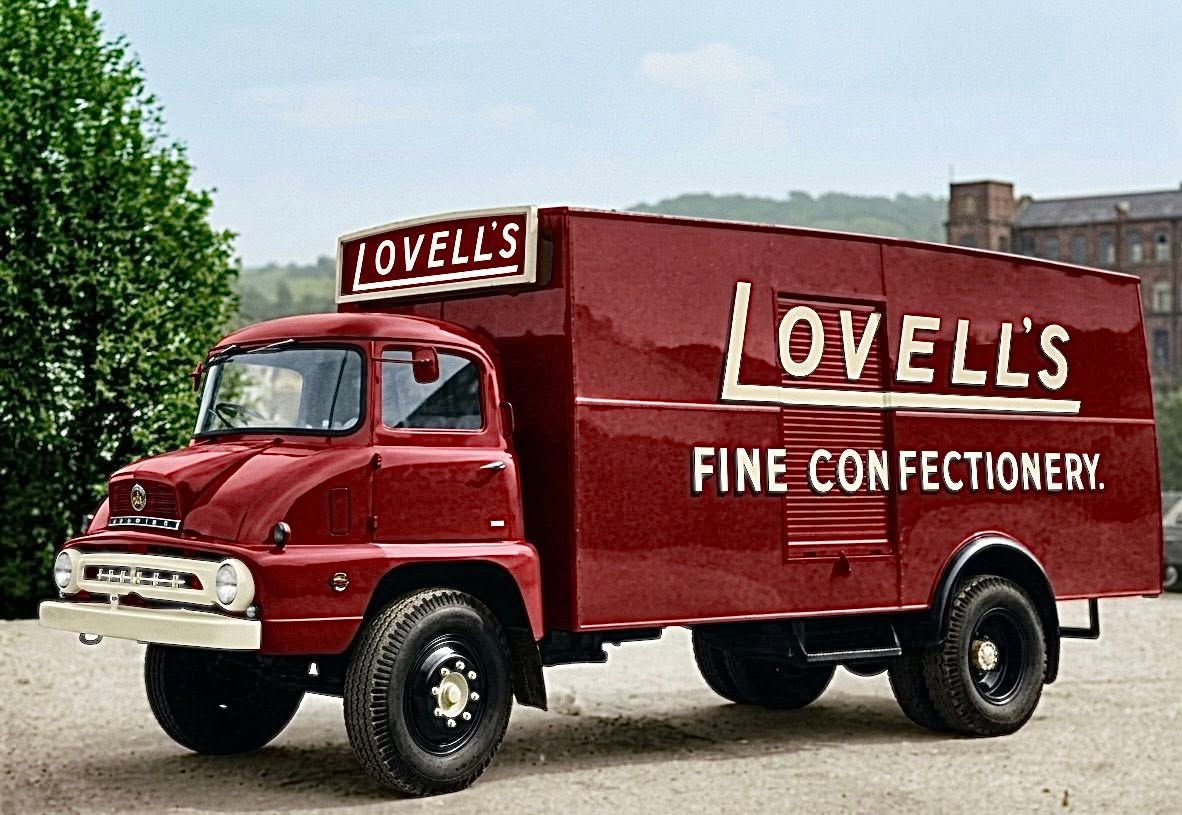
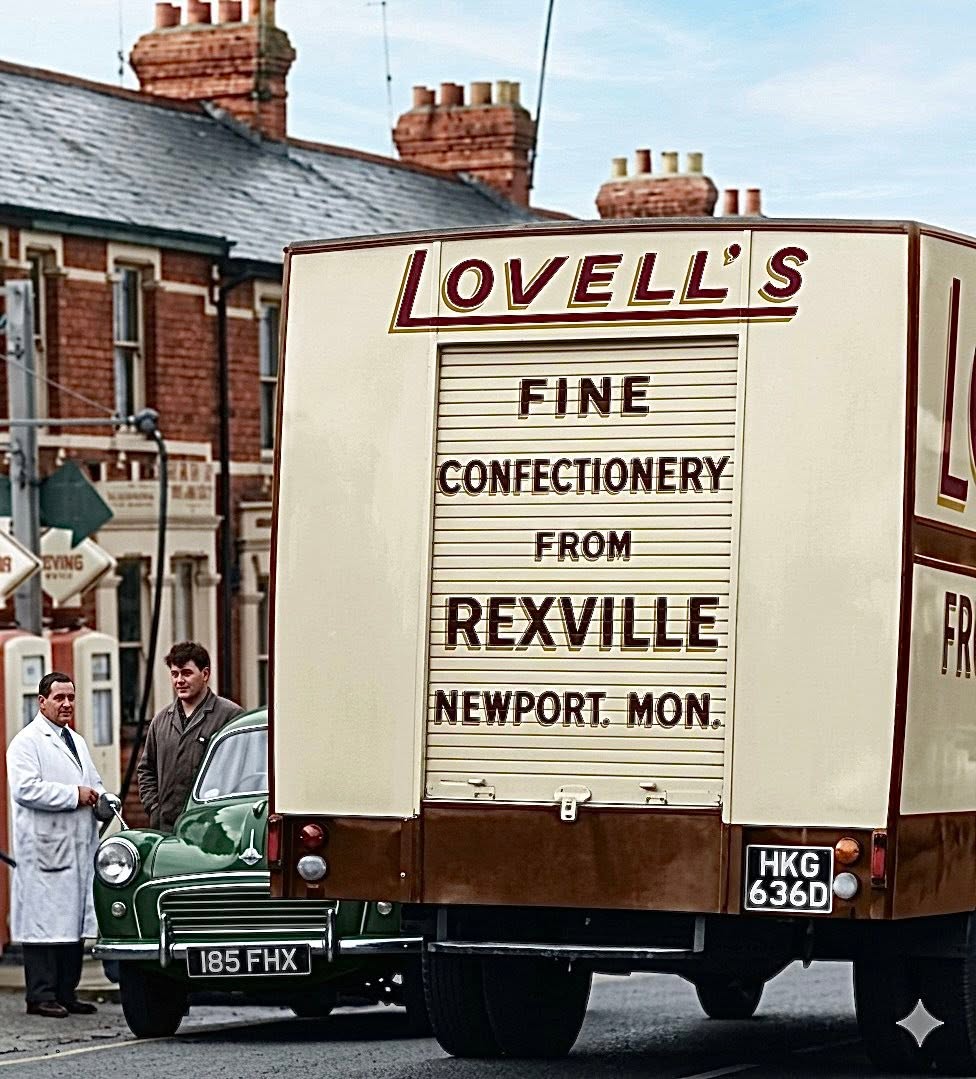
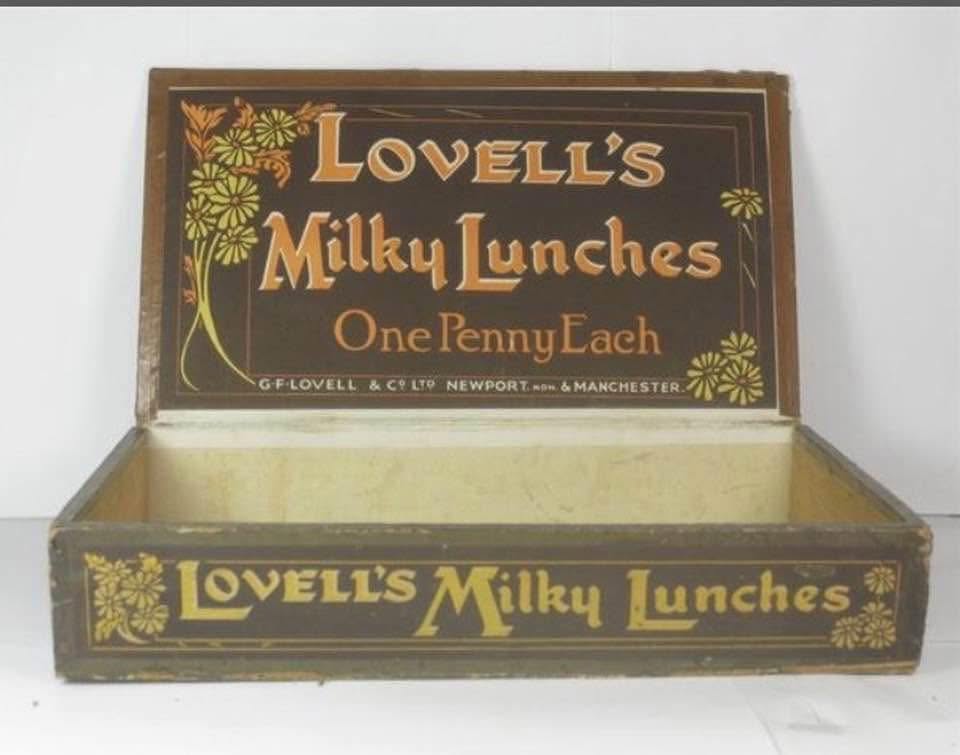
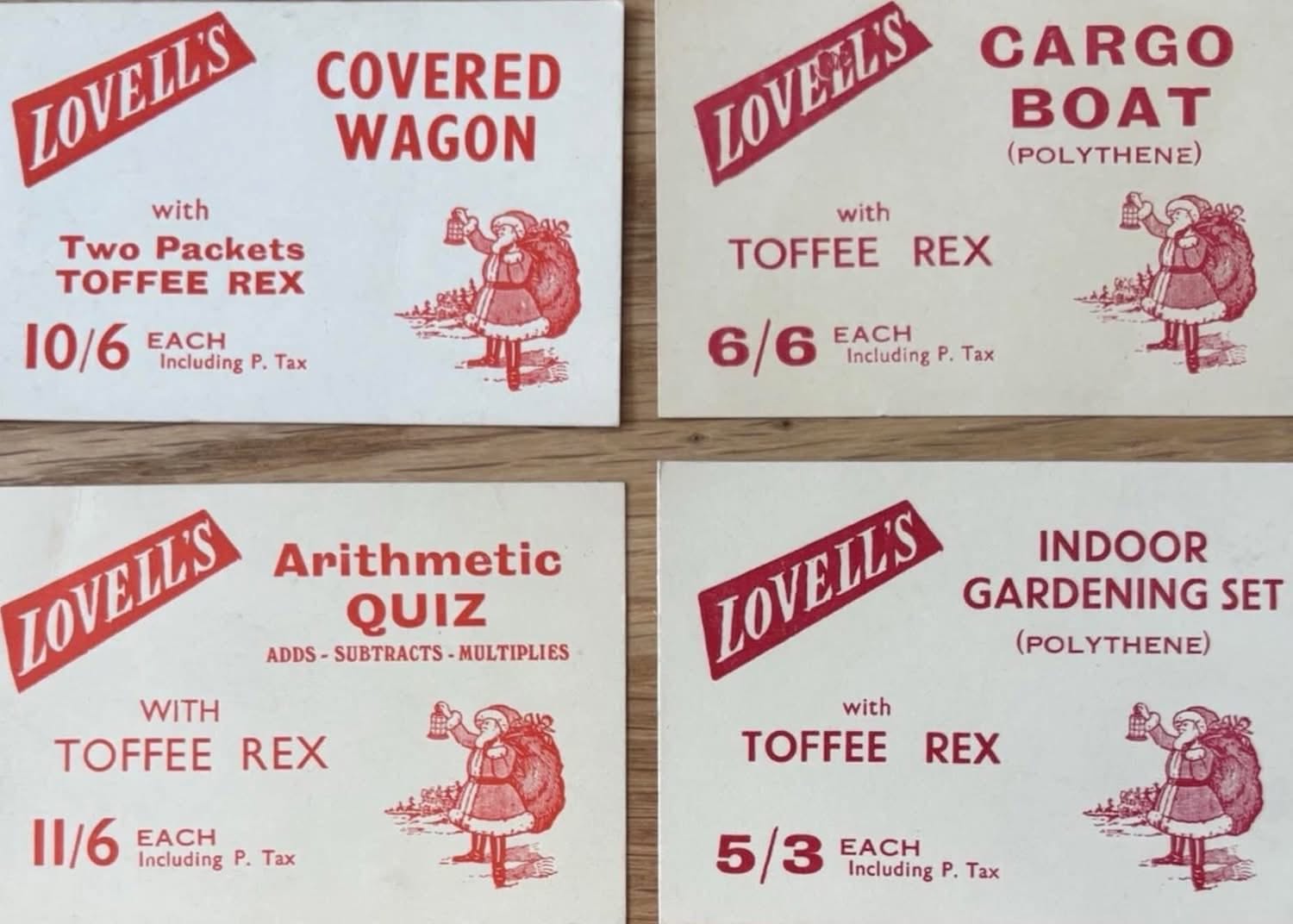
Visual records, factory packaging, team line-ups, and architectural elevations documenting the Rexville Works.