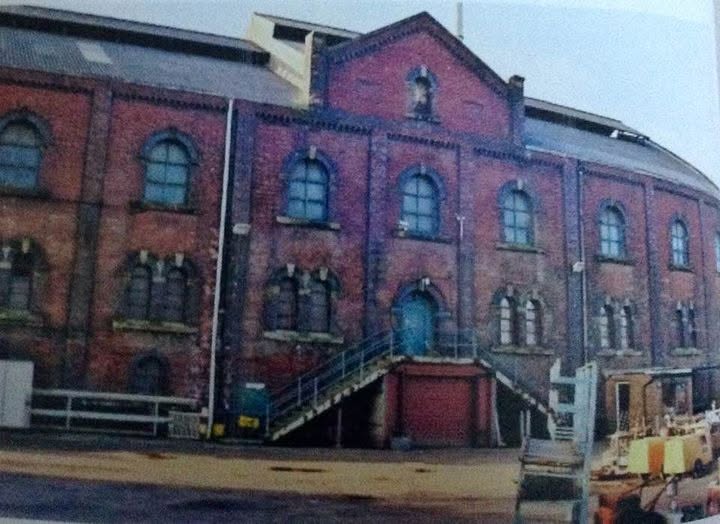
The Strategic Riverside Location
The lower marshland of Crindau offered metallurgy operations an unmatched logistical pairing: direct connection to the Great Western Railway's mineral routes leading down from the valleys, alongside immediate frontage to the deep, tidal waters of the River Usk. The Newport Smelting Works took full advantage of this spatial bottleneck.
Established during the late Victorian boom in metal refining, the facility specialised in copper and non-ferrous reduction. High-grade ores and scrap alloys arrived by coastal ketch and rail wagon, where they were reduced inside coal-fired reverberatory furnaces. The river wharves allowed finished ingots to be shipped out directly to industrial metal fabricators across the Bristol Channel.
"The smelting house chimneys contributed to the distinctive industrial haze of the river bend, running reverberatory furnaces around the clock when sea-traffic was high."
Furnace Labour & Local Residencies
Working conditions within the smelting works were intense. Smelters, furnacemen, and slag pullers handled molten metals at extreme temperatures, exposed to sulfurous fumes and heavy slag waste.
Unlike the clerical staff or sweet-packers at nearby works, the smelting workforce was composed almost entirely of seasoned furnace hands and hauliers. Census and directory transcriptions for northern Albany Street and the surrounding cross-streets frequently list smelters, moulders, and foundry labourers living within a short walk of the works gates.
Decline and Clearance
As international metal markets evolved and larger coastal smelting combines centralised production during the interwar period, smaller regional works became uneconomical. The Crindau smelting operations were gradually scaled down, with furnace equipment dismantled and the sprawling site cleared.
The land was subsequently adapted for light industrial depots and transport storage, wiping clean the early furnace foundations but leaving an indelible signature in the local soil and historical map sheets.