The Factory Club Phenomenon
Formed in 1918 towards the conclusion of the First World War, Lovells Athletic Football Club emerged directly from the industrial paternalism of George Frederick Lovell’s confectionery empire. What began as a recreational diversion for factory workers and returned servicemen quickly outgrew workplace friendlies to become one of South Wales’s most formidable non-league clubs.
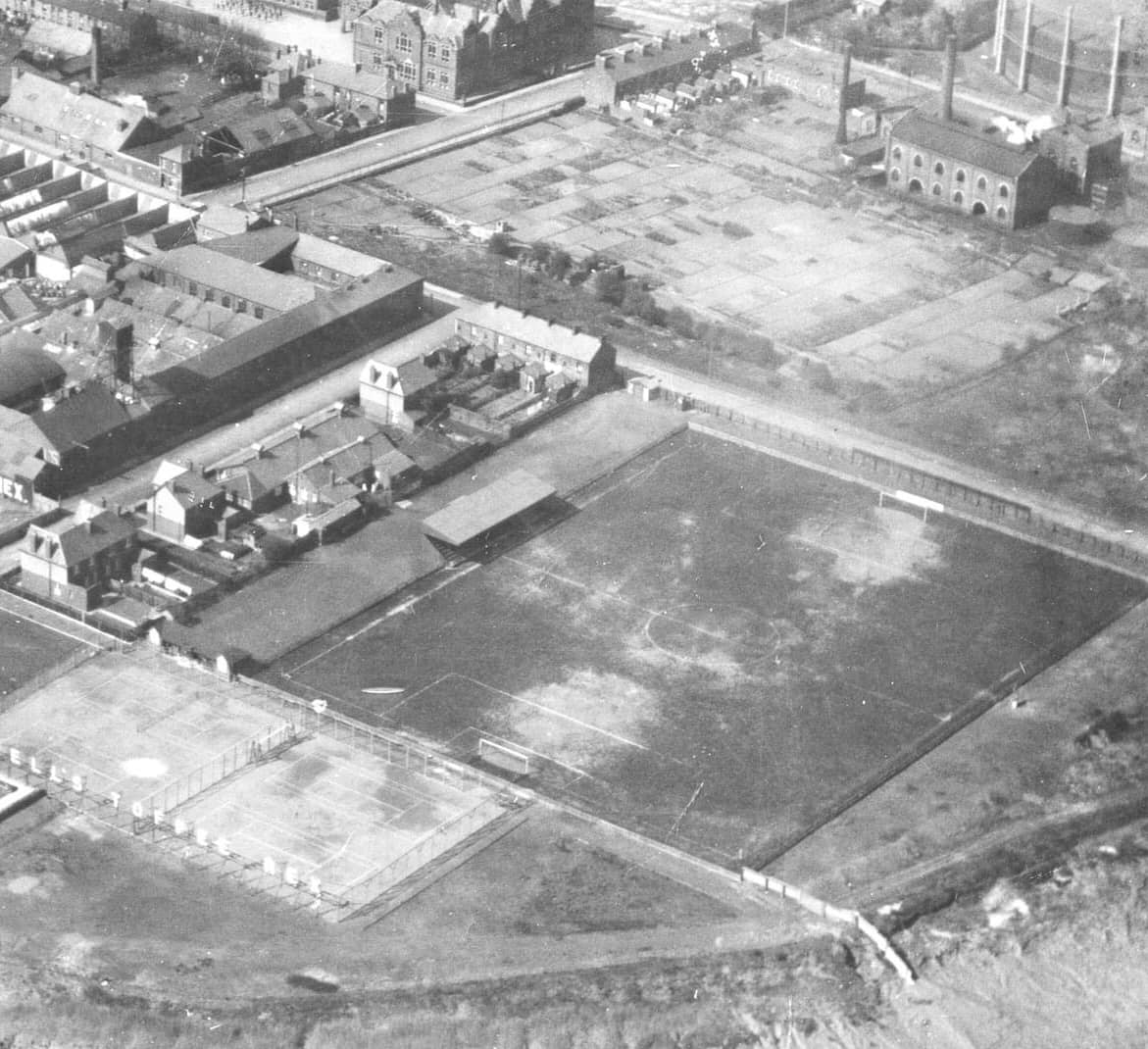
The company laid out Rexville Ground on open land immediately adjoining the main works off Albany Street. Enclosed by timber fencing and later banked with cinders and concrete terracing, the venue provided an intimate, enclosed atmosphere with the towering brick chimneys and sweet-boiling sheds standing immediately above the goalposts.
"On Saturday afternoons, crowds of up to four thousand packed the Rexville touchlines, surrounded by the smell of boiling toffee drifting from the mixing floors next door."
Southern League Campaigners & Cup Ties
Competing initially in the Monmouthshire Senior League and the Welsh Football League, the club's ambition led them into the English non-league pyramid, joining the Southern League Western Section. Lovells Athletic went toe-to-toe with established professional reserve sides and full-time non-league outfits, regularly drawing crowds from across Newport and the Eastern Valley.
The club’s crowning competitive era came in the Welsh Cup. Lovells Athletic regularly reached the later rounds, claiming notable scalps against Football League opposition including Cardiff City, Swansea Town, and local rivals Newport County. Several Lovells players stepped straight from the Crindau terraces into full professional contracts in the English League.
Winding-Up and Redevelopment
By the late 1960s, the economic realities of running a semi-professional club reliant on factory subsidies began to bite. Rising travel expenses, falling attendances with the advent of televised football, and shifting priorities within the confectionery firm led to the club withdrawing from competitive senior football in 1969.
The ground fell out of senior sporting use, and the covered stands, turnstiles, and perimeter hoardings were systematically cleared. The open playing acreage was absorbed into residential and commercial expansions, concluding more than half a century of first-class football played in the heart of industrial Crindau.