TOPOGRAPHICAL CONTEXT & DISTRICT SURVEY
From Alluvial Pasture to River Furnaces
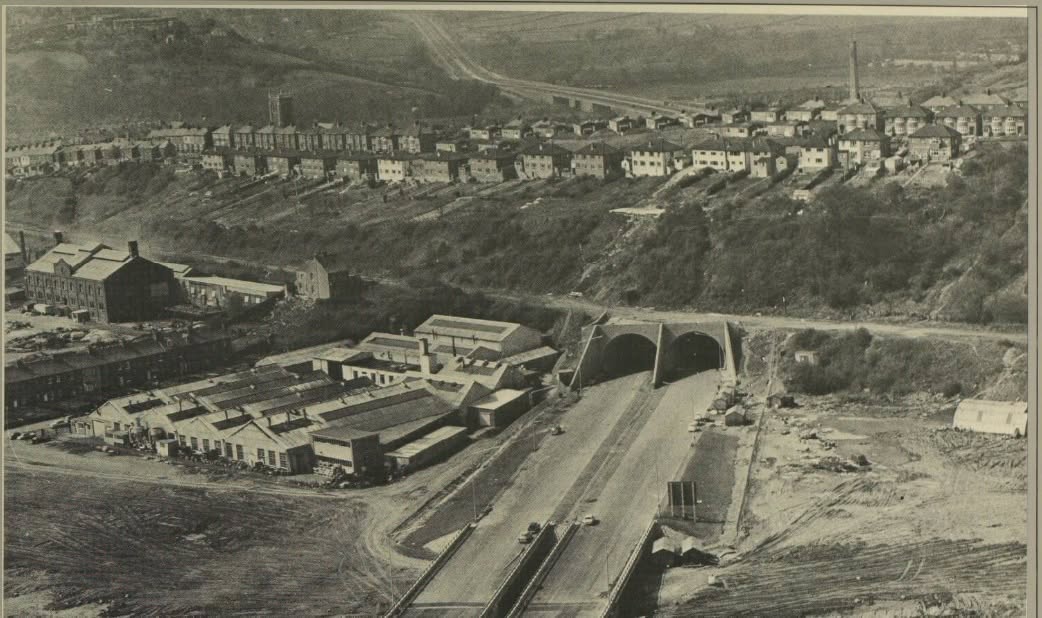
Tucked into a sharp western meander of the River Usk immediately north of Newport’s medieval core, Crindau evolved over four centuries from a tranquil marshland manor into one of the most concentrated industrial corridors in South Wales.
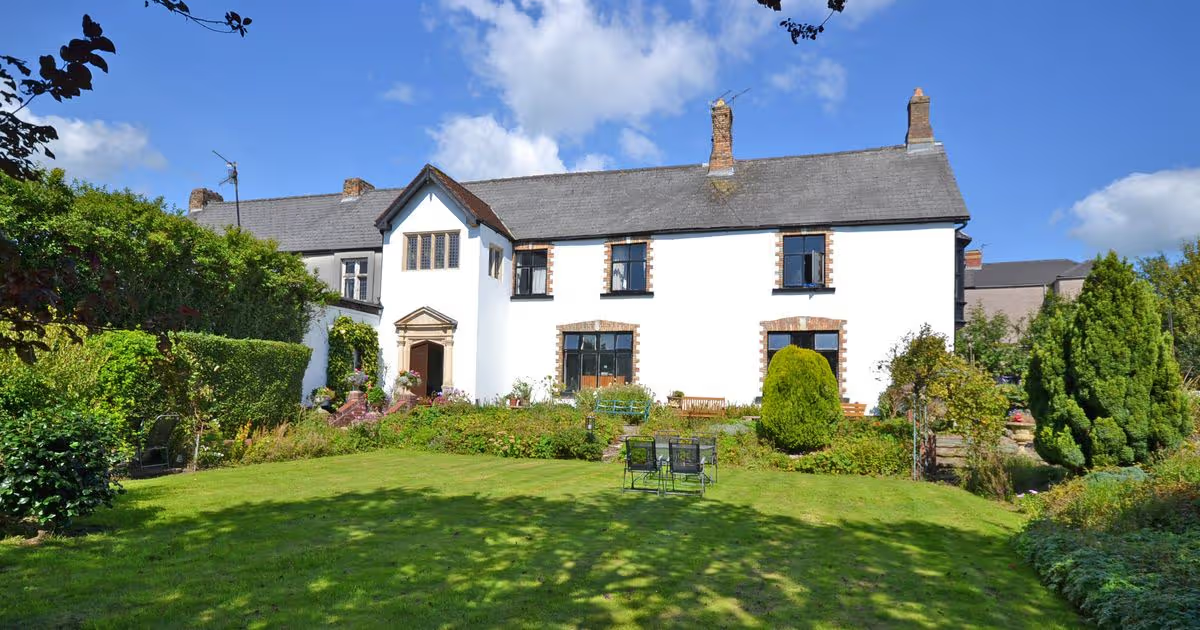
The name itself derives from the Welsh Crindai (literally "dry houses" or "withered dwellings"), denoting early settlements established upon elevated gravel terraces just above the reach of the tidal alluvial marsh. For centuries, the focal point of the area was Crindau House (c.1580), a substantial Tudor stone manor built by the Morgan gentry of Tredegar and Machen, surrounded by orchards, cider groves, and water meadows that sloped down to the salmon fisheries of the river.
The opening of the Monmouthshire Canal in the late 1790s and the subsequent arrival of the Monmouthshire Railway & Canal Company mainline initiated a dramatic transformation. Crindau’s physical geography—hemmed tightly between the mineral lines descending from the Western Valleys and the deep, navigable tidal waters of the Usk—proved irresistible to heavy enterprise seeking to bypass restrictive railway freight rates.
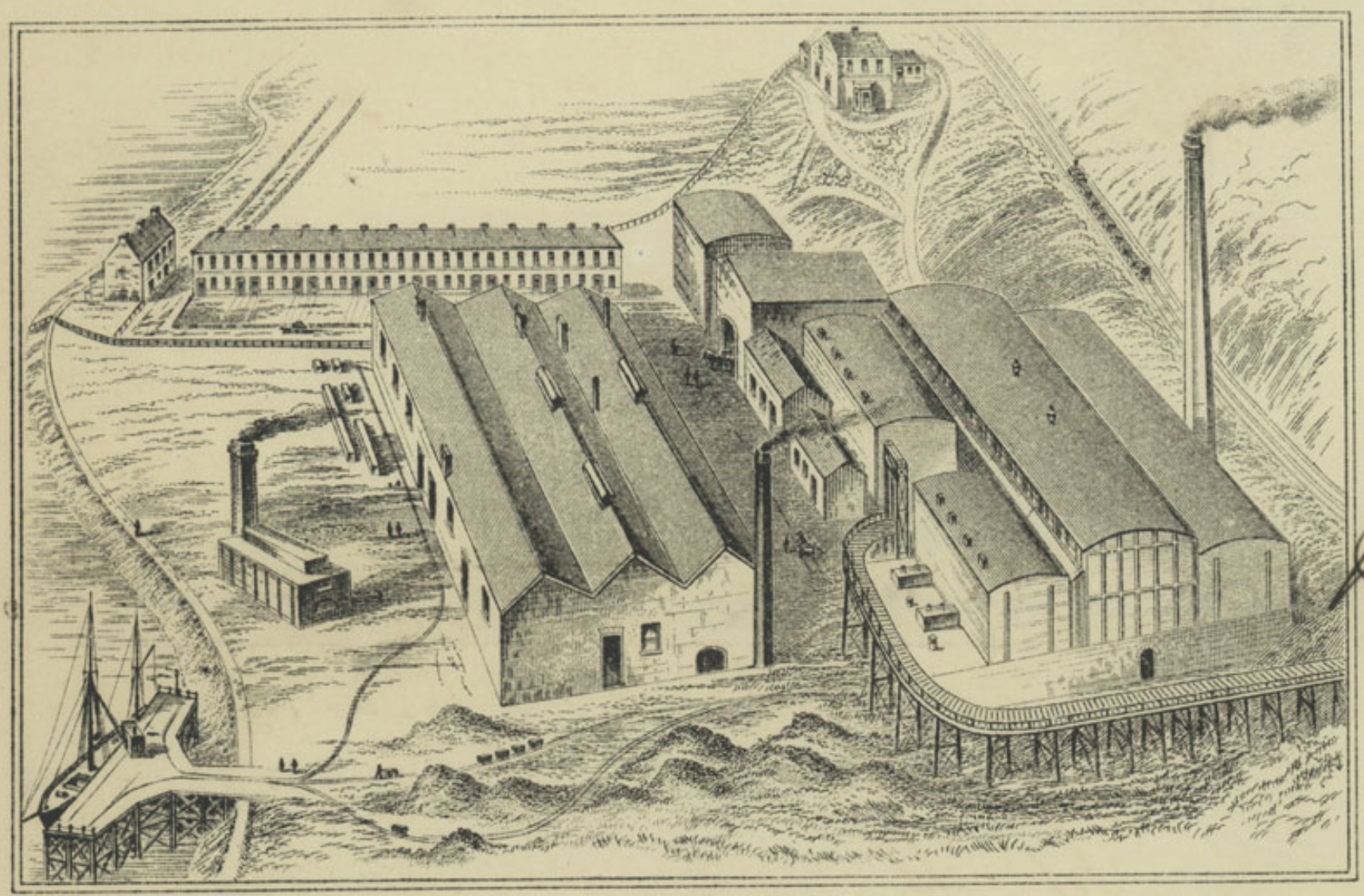
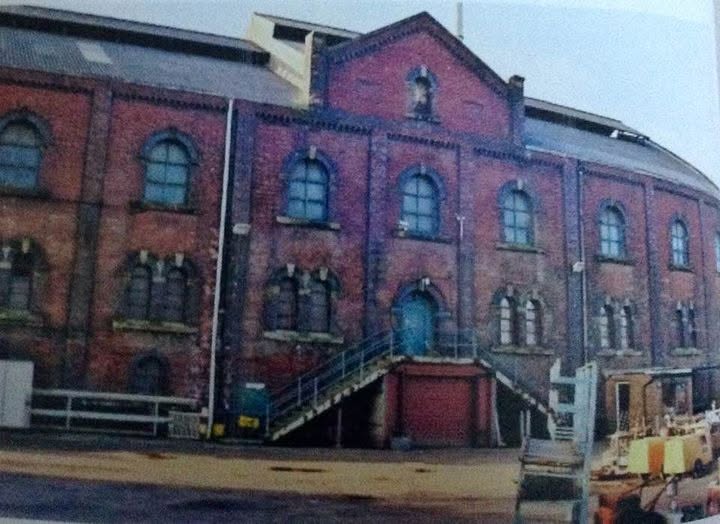
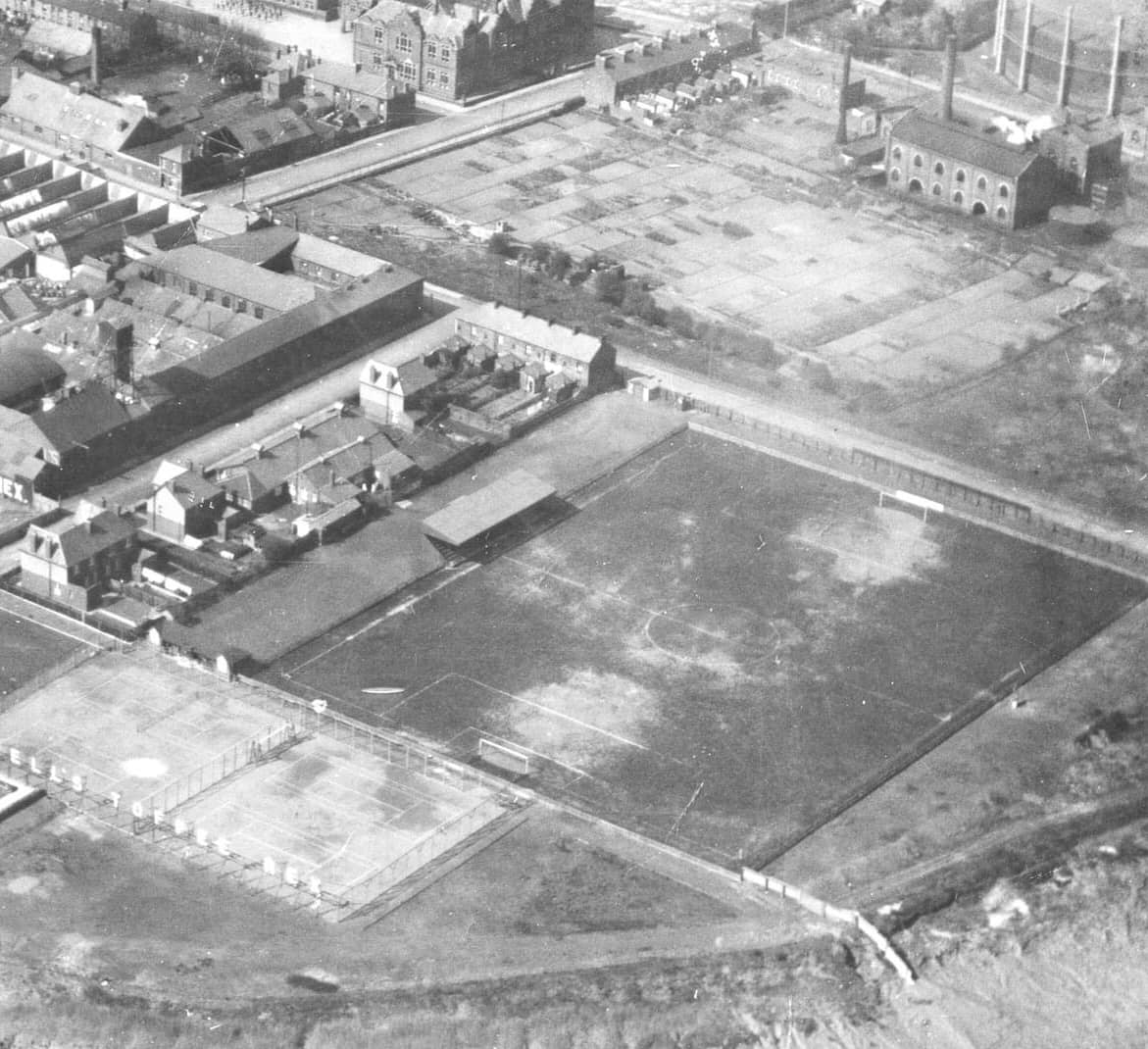
By the 1880s, the rural meadows were systematically gridded out. The Newport Gas Company established vast gasometers and retort benches along the mud flats; the South Wales Glass Works erected advanced Siemens regenerative furnaces producing over 100,000 bottles a week; and non-ferrous reverberatory smelting works and chemical distilleries filled the river bend with industry.
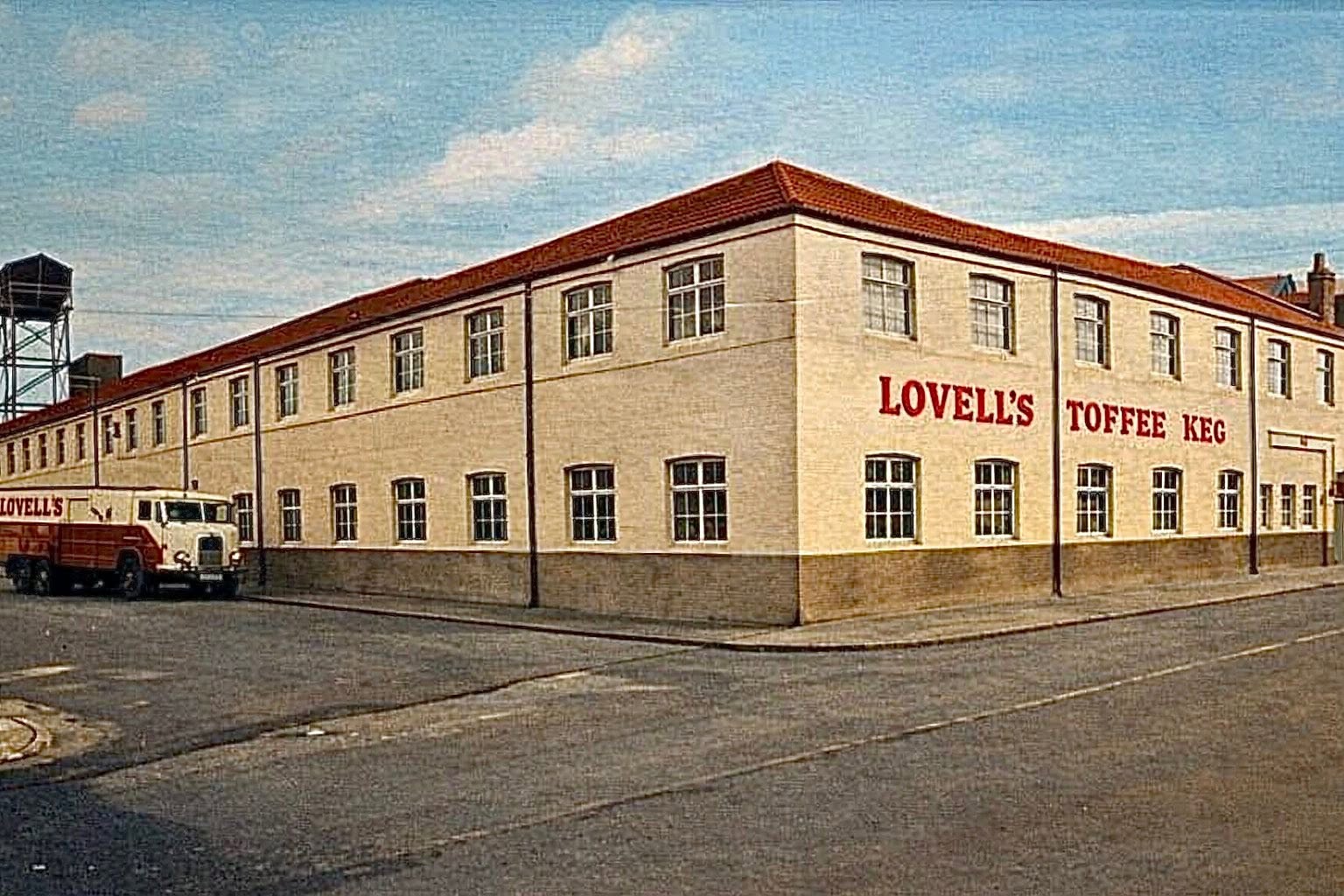
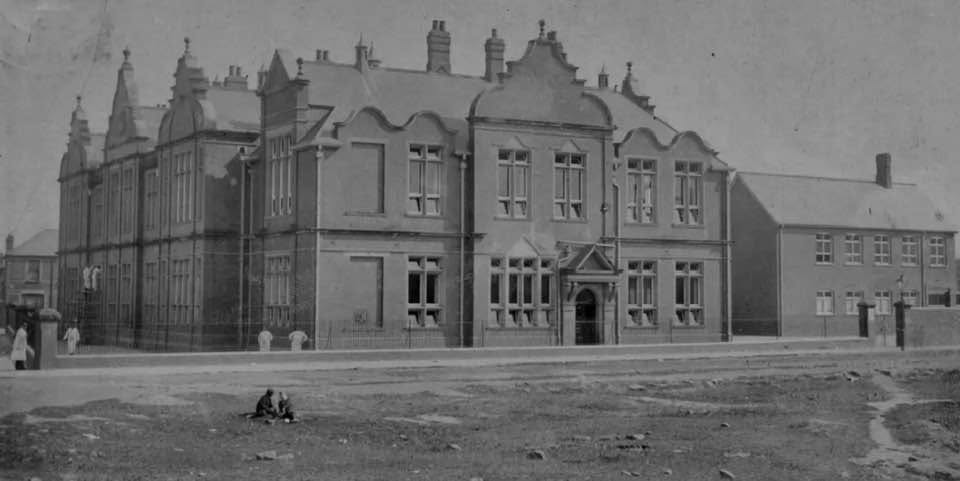
To house the influx of ironworkers, glassblowers, and railwaymen, builders threw up dense brick terraces along Albany, Lyne, and Cyril Streets. In the twentieth century, this artisan community was anchored by civic and commercial giants: the imposing red brick of Crindau Board School (1901), the sweet-boiling floors of G.F. Lovell & Co.’s Rexville Works, the roar of crowds at Lovells Athletic F.C., and the post-war forge of M.K. Mole & Son where the iconic 'Mole Grip' was manufactured.
1580
Earliest Seat
7 Works
Heavy Anchors
46 Streets
Directory Index